Archives
- 2026-10
- 2026-09
- 2026-08
- 2026-07
- 2026-06
- 2026-05
- 2026-04
- 2026-03
- 2026-02
- 2026-01
- 2025-12
- 2025-11
- 2025-10
- 2025-09
- 2025-04
- 2025-03
- 2025-02
- 2025-01
- 2024-12
- 2024-11
- 2024-10
- 2024-09
- 2024-08
- 2024-07
- 2024-06
- 2024-05
- 2024-04
- 2024-03
- 2024-02
- 2024-01
- 2023-12
- 2023-11
- 2023-10
- 2023-09
- 2023-08
- 2023-07
- 2023-06
- 2023-05
- 2023-04
- 2023-03
- 2023-02
- 2023-01
- 2022-12
- 2022-11
- 2022-10
- 2022-09
- 2022-08
- 2022-07
- 2022-06
- 2022-05
- 2022-04
- 2022-03
- 2022-02
- 2022-01
-
If overexpression of ADK is sufficient to induce spontaneous
2024-07-29
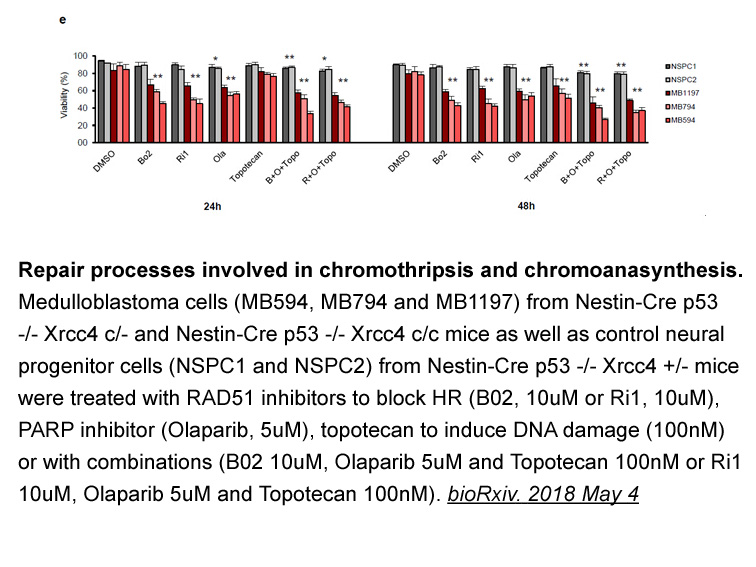
If overexpression of ADK is sufficient to induce spontaneous seizures, then reduction of ADK in engineered mice should prevent epileptogenesis. The generation of mice with moderately reduced levels of ADK in brain rather than complete ADK deficiency seems to be essential, since several lines of evid
-
All consecutive patients who were confirmatively diagnosed w
2024-07-29
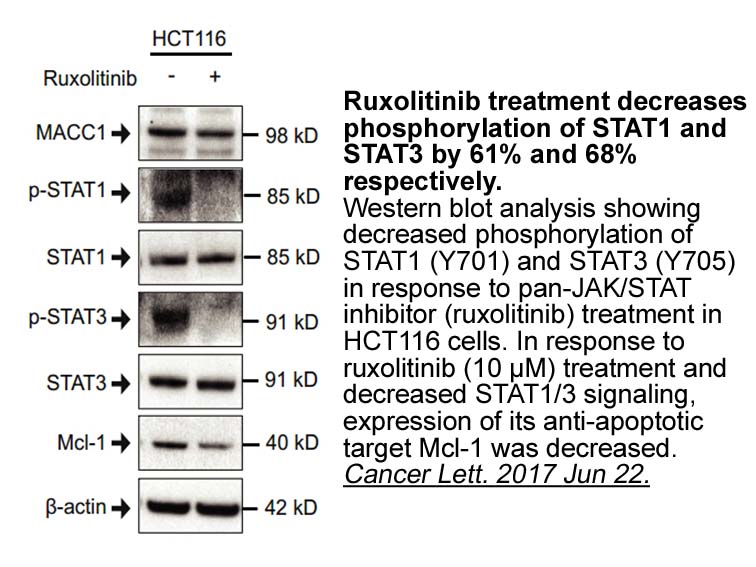
All consecutive patients who were confirmatively diagnosed with MP-PPE and TPE, respectively, between January 2008 and December 2016 at Kyungpook National University Hospital, a tertiary referral hospital in South Korea, an area with an intermediate prevalence of active tuberculosis, were enrolled.
-
In conclusion two novel series of furo pyrimidin amines
2024-07-29
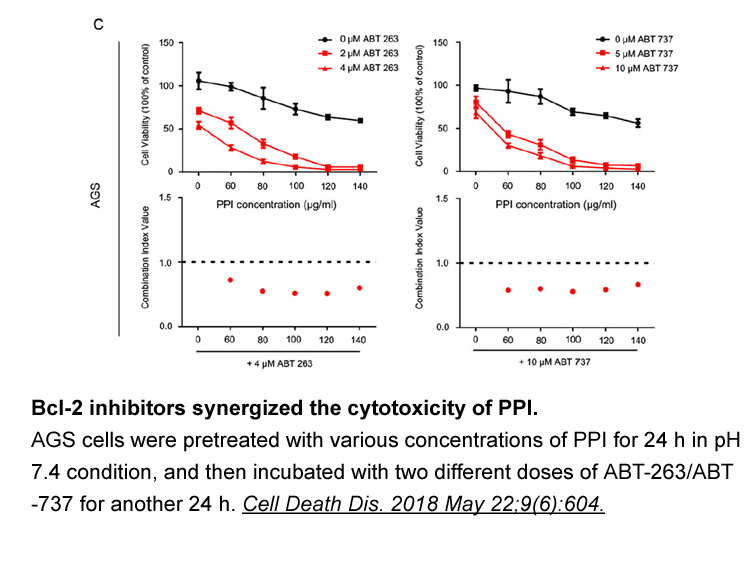
In conclusion, two novel series of furo[2,3-]pyrimidin4-amines and 7-pyrrolo[2,3-]pyrimidin-4-amines which exhibit potent in vitro inhibitor activity against ACK1 have been identified and evaluated. 1,3-Dithiolane-substituted pyrrolopyrimidine displays excellent ACK1 cellular inhibition, good kinase
-
We have previously shown that
2024-07-29
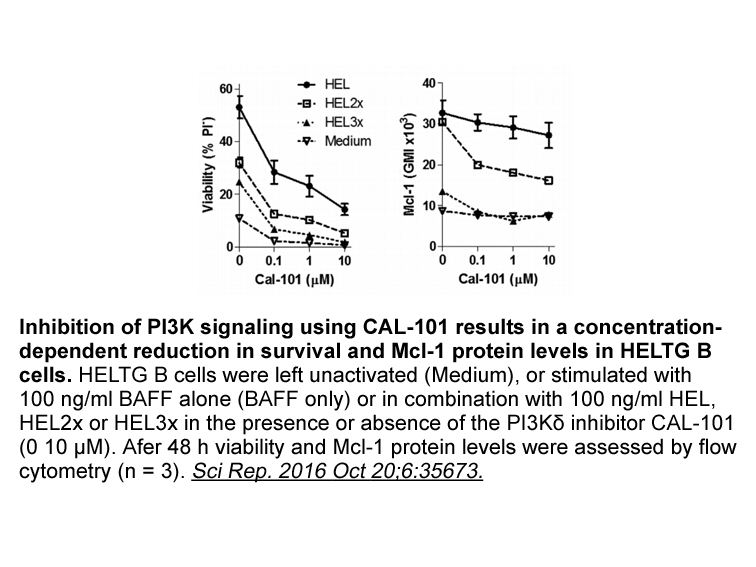
We have previously shown that the antinociceptive effect of tramadol, an analgesic that, like paracetamol is able to increase serotonin levels within CNS, is potentiated or antagonized respectively by a 5-HT1A/B nonspecific rosmarinic acid sale blockade or activation (Rojas-Corrales et al., 2000).
-
br Acknowledgements MC and PD were
2024-07-29
Acknowledgements MC and PD were funded by the Michael J Fox Foundation (Grant ID 9969). We would like to thank Pierluigi Saba, Francesco Traccis and Barbara Tuveri for their technical assistance. Introduction In the prostate, androgens play a crucial role in normal, BPH and cancerous growth b
-
While it is known that
2024-07-29

While it is known that circulating LDL-C levels are largely regulated by either controlling the rate of hepatic production of its triglyceride-rich precursor VLDL particle or the rate of LDLR-mediated LDL particle clearance [58], it should be noted that important differences exist between rodents an
-
We showed that activation of
2024-07-26

We showed that activation of the ATM/ATR pathway leads to over-replication through suppression of CDK1 activity, consistent with previous findings that suppression of CDK1 activity is involved in the polyploidization of megakaryocyte and trophoblast cells [36], [37], [38], [39]. Suppression of CDK1
-
Although the exact mechanisms are not fully understood IGF i
2024-07-26

Although the exact mechanisms are not fully understood, IGF-1 is tightly linked with ER and estrogen actions and a crosstalk occurs between these two systems in breast cancer. To illustrate this close relationship, studies have identified a synergy between IGF-1 and estrogen in neuraminidase inhibit
-
br Material and methods br Results br Discussion Asparagine
2024-07-26
Material and methods Results Discussion Asparagine, arginine, leucine, methionine, and glutamine are the essential NSC 87877 mg for cancer cells and intensively investigated for the development of selective targeted therapeutics. Among them, asparagine depleting bacterial enzyme asparaginas
-
A939572 australia br Acknowledgements This study was
2024-07-26
Acknowledgements This study was funded the Irish Department of Agriculture, Food and the Marine through the research program FIRM/RSF/CoFoRD (Reference: 13 F 462). The authors declare no conflict of interest. Introduction Radiotherapy (RT) is one of the major treatment methods among patients
-
Introduction Antimicrobial resistance is a growing health th
2024-07-26
Introduction Antimicrobial resistance is a growing health threat worldwide that has been associated with incorrect prescription and overuse of BRD-K4477 [1]. Considering that physicians play a central role in antibiotic usage, a better understanding of their prescribing behaviours and their knowle
-
Labetalol HCl We designed SSOs that block
2024-07-26
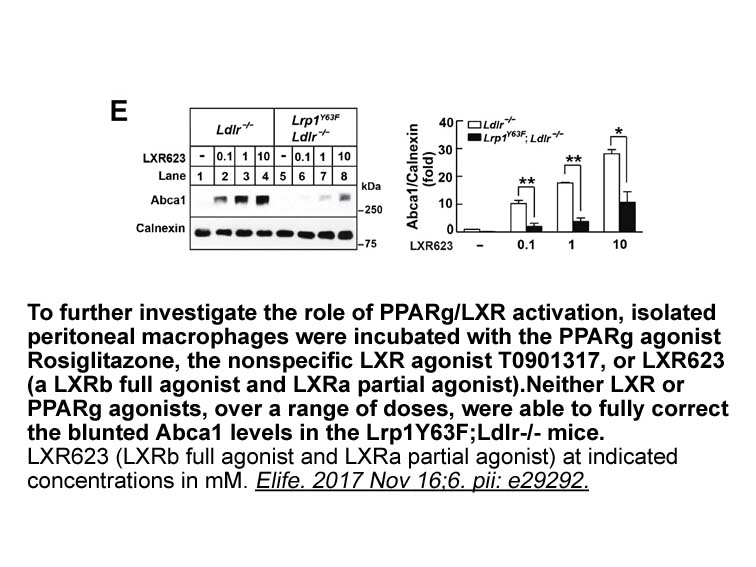
We designed SSOs that block APP exon 17 splicing and induce the production of an alternatively spliced APP mRNA lacking exon 17 (APPΔex17). APPΔex17 mRNA encodes an APP protein isoform that lacks 49 Labetalol HCl including the γ-secretase cleavage sites that give rise to the toxic, AD-associated Aβ
-
An unbiased evaluation of hepatic mRNA was performed
2024-07-26
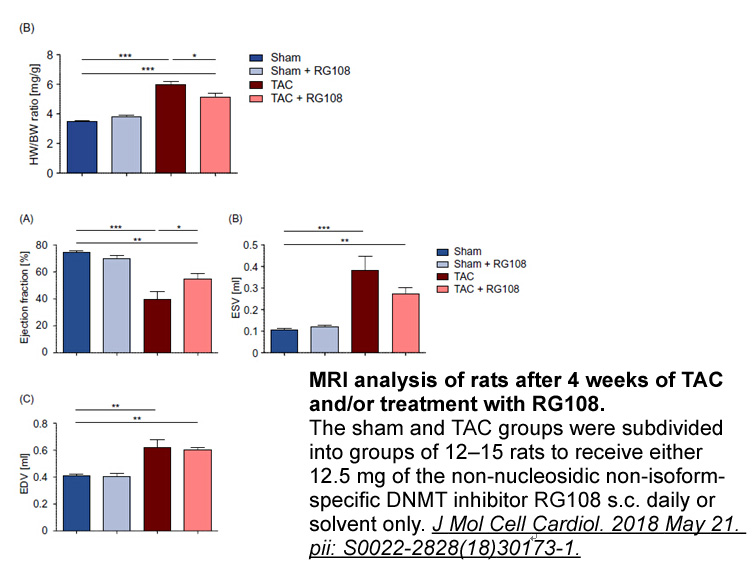
An unbiased evaluation of hepatic mRNA was performed to assess the impact of hepatocyte AMPK activation on the transcriptome. The expression of 913 genes were altered in control mice after chronic PF-06409577 treatment, 188 genes were affected by knocking out AMPK in hepatocytes, and expression of 2
-
br Materials and Methods br
2024-07-26
Materials and Methods Results In the Base Analysis (53% of patients having access to the ALK test in both Current and Alternative Scenarios), a total of 16,583 patients were tested of whom 1,252 were assumed to be ALK-positive. A more extensive use of Ventana in the Alternative Scenario determ
-
Interestingly intermittent high doses of AKT inhibitors
2024-07-26
Interestingly, intermittent high doses of AKT inhibitors have been shown to be a more effective strategy both clinically and pre-clinically. High doses appear to be required for induction of apoptosis and intermittent schedules overcome the low therapeutic index of these compounds. This is particula
8439 records 144/563 page Previous Next First page 上5页 141142143144145 下5页 Last page